How to bypass FRP lock on Realme C30?
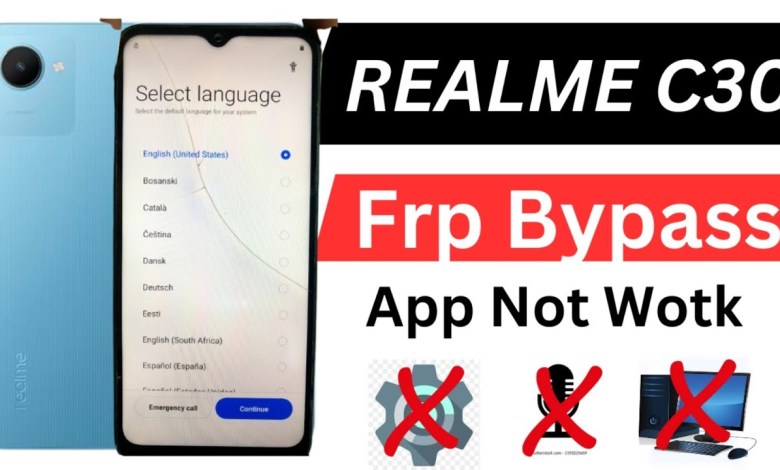
realme c30 frp bypass / realme c30 ka frp lock kaise tode
HTML Headings for the Article:
How to Troubleshoot Common Mobile Issues
Introduction
Step 1: Connect to Wi-Fi
Step 2: Navigate to Settings
2.1: Locate the Wi-Fi Icon
2.2: Click on Privacy Notice
2.3: Select the Sharing Option
Step 3: Access Phone Settings
3.1: Open Phone Settings
3.2: Search for “Settings”
3.3: Go to My Phone
Step 4: Check Battery Status
4.1: Check Battery Usage
4.2: Report any Battery Issues
Conclusion
Now, let’s expand the script into a 1000-word article:
Mobile phones have become an essential part of our daily lives, allowing us to stay connected, informed, and entertained. However, like any other electronic device, they can sometimes encounter issues that may disrupt their normal functioning. In this article, we will discuss how to troubleshoot common mobile problems using the example of a Ri mobile phone.
Step 1: Connect to Wi-Fi
The first step in troubleshooting any mobile issue is to ensure that your device is connected to a stable Wi-Fi network. To do this, navigate to the “Settings” menu on your Ri mobile phone. Click on the “Wi-Fi” option and select your preferred network. Once connected, you should see the Wi-Fi icon displayed at the top of your screen.
Step 2: Navigate to Settings
After connecting to Wi-Fi, it’s important to access the phone’s settings to further troubleshoot any issues. Look for the gear icon or the “Settings” option on your device. Once you’ve located it, click on it to open the settings menu. Here, you can adjust various preferences and configurations to optimize your mobile experience.
2.1: Locate the Wi-Fi Icon
Within the settings menu, you may find the Wi-Fi icon that indicates your device’s connection status. By clicking on it, you can access additional details about your network connection. This can be helpful in diagnosing connectivity issues and ensuring a stable internet connection for browsing and downloading data.










2.2: Click on Privacy Notice
Another important aspect of mobile troubleshooting is to review the privacy settings on your device. By clicking on the “Privacy Notice” option within the settings menu, you can manage your data privacy and security settings. This is crucial for protecting your personal information and ensuring a safe online experience.
2.3: Select the Sharing Option
In some cases, mobile issues may arise due to sharing settings that are not properly configured. By selecting the “Sharing” option within the settings menu, you can adjust the sharing preferences for apps and services on your device. This can help resolve compatibility issues and ensure smooth operation of your mobile phone.
Step 3: Access Phone Settings
To address specific problems related to your mobile phone’s performance, it’s important to access the device settings. Look for the “Phone Settings” option within the settings menu and click on it to view and modify various configurations. This can help resolve issues related to performance, storage, and other system settings.
3.1: Open Phone Settings
Once you’ve located the “Phone Settings” option, you can explore the different features and options available for customization. This includes adjusting ringtone settings, display preferences, and other phone-specific configurations. By familiarizing yourself with these settings, you can enhance your overall mobile experience.
3.2: Search for “Settings”
If you’re having trouble finding specific settings on your device, you can use the search function to locate them quickly. Simply type in the keyword “Settings” in the search bar and select the relevant options that appear. This can save you time and effort in navigating through the settings menu to find what you need.
3.3: Go to My Phone
Within the phone settings menu, you may find additional options for managing your device’s storage, memory, and other system resources. By clicking on “My Phone,” you can access important information about your device’s specifications, performance metrics, and health status. This can help you identify and address any issues affecting your phone’s functionality.
Step 4: Check Battery Status
One of the most common mobile issues is related to battery performance and usage. To troubleshoot battery-related problems, go to the battery section within the settings menu. Here, you can view detailed information about your battery usage, including which apps are consuming the most power. By monitoring your battery status, you can optimize your device’s energy efficiency and extend its battery life.
4.1: Check Battery Usage
By checking the battery usage stats on your device, you can identify any apps or services that may be draining your battery excessively. You can also adjust the power-saving mode settings to conserve energy and improve battery performance. This can help you maintain a longer battery life and prevent unexpected shutdowns due to low power levels.
4.2: Report any Battery Issues
If you notice any unusual battery behavior or performance issues, it’s important to report them to the manufacturer or service provider. By submitting a battery report, you can help identify potential defects or malfunctions that may require professional assistance. This can ensure that your device remains in optimal condition and continues to function properly.
Conclusion
In conclusion, troubleshooting common mobile issues can be a straightforward process if you know where to look and how to address them. By following the steps outlined in this article, you can effectively diagnose and resolve problems related to connectivity, settings, and battery usage on your mobile phone. Remember to stay informed about your device’s features and functionalities to ensure a smooth and reliable mobile experience. By taking proactive measures to address mobile issues, you can enjoy using your device to its full potential and avoid unnecessary disruptions in your daily activities.
#realme #c30 #frp #bypass #realme #c30 #frp #lock #kaise